Get people out of the water and keep clear of anything electrical that's wet. If a pipe is the source, close the main valve; if the water is rising from outside, move upstairs and call 911 when anyone is in danger. Photograph everything, then phone your insurer. Tennessee's insurance department says most homeowners policies don't cover flood damage. Fixr's national average range for water damage restoration is $1,200 to $5,000.
Key facts
- Danger to life
- 911
- Gas smell
- Leave, then Spire 800-752-7504 and 911
- Water emergency or leak
- Metro Water Services, 615-862-4600, option 3
- Power outage
- NES, 615-234-0000
- Downed or fallen line
- Assume it is live, never go near it, call 911
- Flood cover
- Only a flood insurance policy covers flood damage (TDCI)
- Restoration
- $1,200–$5,000 (Fixr's national average range)
- County hazard rank
- Flooding is first (Metro, 2025)
Short version: people first, then the source, then the camera, then the drying; equipment that sat in water stays off until someone qualified has looked at it.
What you can check
- Decide whether to stay. Rising water from a creek, the street or a storm drain is a reason to go to an upper floor or leave, taking phones, medicine and pets. Don't walk or drive through moving water.
- Deal with the source if it's indoors. A burst supply hose, a failed water heater or a split pipe stops when you close the main water valve. If the valve is underwater or out of reach, leave it.
Everyone safe and the source dealt with as far as you can? Call a local water damage company now, then keep working through the steps.
Phone line opening soonHave this ready when you call
- Your address
- Where the water came from and whether it has stopped
- How long things have been wet
- Treat wet electrics as live. Stay out of rooms where water has reached outlets, power strips or appliances. Switch off breakers only if the breaker box is somewhere dry and so are you.
- Sniff for gas. Floodwater can shift appliances and their connections. Any gas odour means everyone outside before a call is made.
- Photograph before you move anything. Wide shots of each room, close-ups of the waterline on walls, and the serial labels of soaked appliances.
- Start the easy drying. When it's safe: lift curtains and furniture legs clear, carry out wet rugs, open interior doors and windows. Water from outdoors or from drains is dirty, so wear boots and gloves and wash up afterwards.
- Notify your insurer. Say plainly where the water came from, because that decides which policy responds. Keep ruined items until an adjuster has seen or released them.
What not to touch
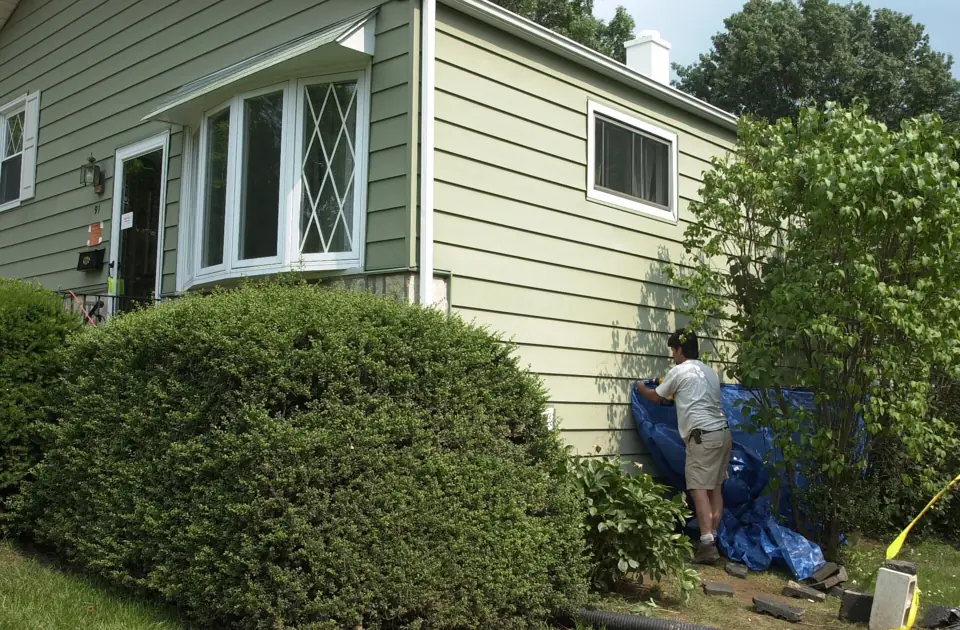
Furnaces, water heaters, air handlers and anything else with gas or electrical parts that got wet should not be restarted by you. Don't run a household vacuum on standing water, don't plug fans into outlets that were submerged, and don't run a generator inside the house or garage. Leave soaked drywall and insulation in place until it's documented.
Stop and call a pro when:
- water reached wall cavities, subfloor, cabinets or ductwork;
- the water is from outdoors, a drain or a sewer;
- more than one room is affected;
- any appliance, outlet or the breaker box was wet;
- it has been standing for a day or longer.
The Nashville part
Why this page exists. In Metro's 2025 hazard assessment, flooding ranks first of Davidson County's top ten hazards.
Spire. For a gas smell or suspected leak, leave the area immediately, then call Spire on 800-752-7504 and 911 from a safe place.
NES. Nashville Electric Service takes outage reports on 615-234-0000. For a downed line, assume it is live, never go near it, and call 911.
Metro Water Services. Metro Water lists 615-862-4600, option 3, for 24/7 emergency service or to report a leak. Past the meter box, the line is the customer's own, so a leak inside the house is a plumber's job. A sewer that backs up into the house is covered on the sewer backup page.
Metro Codes. Metro Codes' flood repair guidance on water heating systems advises having a licensed plumbing or mechanical contractor inspect water-damaged equipment before it's restarted. The same sheet says a like-for-like residential 50-gallon water heater replacement generally needs no permit and a fuel change does. For rebuilding work, Metro Codes and Building Safety takes permit questions on 615-862-6500; Permit Issuance / Payment is 615-862-6517.
Insurance. The Tennessee Department of Commerce and Insurance states that most homeowners and renters policies do not cover damage to a structure or contents in a flood, and that only a flood insurance policy does. Its brochure adds that NFIP policies usually have a 30-day waiting period before taking effect, and that a sewer backup not caused directly by flooding isn't covered by flood insurance. It does not address a burst pipe or other water damage that isn't flood, so that question goes to your own insurer. Consumer Insurance Services: (615) 741-2218, toll free (800) 342-4029.
License. The guide has no Tennessee license fact specific to drying and cleanup firms. Rebuilding afterwards is contracting: in Davidson County a Home Improvement Contractor's license is required for projects of $3,000 to $24,999, and a contractor's license once the total reaches $25,000. Look names up on Tennessee's license search.
Cost. Fixr's national average range for water damage restoration is $1,200 to $5,000. It's a national yardstick, not a Nashville quote, and the guide has nothing for rebuilding costs.
When you call: 4 questions to ask
- Which rooms and materials are wet, and how did you check?
- Do you deal with the adjuster, or do I?
- Is putting things back included, or only drying?
- What's the daily rate for drying equipment?
A fair written quote shows extraction, tear-out, daily equipment charges and dated photos, each on its own line. Check any contractor's license on the Tennessee license search before work starts.
What happens when you call
- You're connectedStraight to a local water damage crew that serves your area and takes calls like yours.
- You get a priceDescribe the problem, ask for a written quote and their license number. No obligation.
Want a price for your home? Call a local water damage crew for a written quote.
Phone line opening soonCommon questions
What do I do first if my house floods?
Make sure everyone is safe and away from wet electrics, stop the water if it's from your plumbing, and take photos before moving things. Then call your insurer and a water damage company.
Does homeowners insurance cover flooding in Tennessee?
The state insurance department says most homeowners and renters policies do not cover flood damage and that only a flood insurance policy will. Coverage for a burst pipe is a question for your own insurer.
How long before flood insurance starts?
Tennessee's insurance department says NFIP policies usually have a 30-day waiting period before the policy takes effect.
How much does flood cleanup cost in Nashville?
The guide has no local figure. Fixr's national average range for water damage restoration is $1,200 to $5,000, and large losses run higher.
Related guides
Sources
- Metro Nashville Office of Emergency Management: Planning and hazard assessment
- Spire: Contact us (Tennessee emergency line and gas leak steps)
- Nashville Electric Service: Help and FAQs (outage reporting)
- Metro Water Services: Customer information and emergency line
- Metro Codes: Repair guidelines for water heating systems
- Metro Codes and Building Safety: Contact information
- Tennessee Department of Commerce and Insurance: Flood insurance information
- Tennessee Department of Commerce and Insurance: Insurance Division contact
- Tennessee Board for Licensing Contractors: Consumer tips
- Tennessee Department of Commerce and Insurance: License search
- Fixr: Water damage restoration cost (national)
- Nashville Electric Service: Storm safety (downed lines)
Costs are typical ranges. Your quote depends on your home. Rules and rebates change; check the original source before you rely on a figure. Something wrong? Tell us via the contact on the Impressum page.